The Holistic Approach to Developing Soccer Players


Understanding the Holistic Approach
Developing soccer players requires more than just focusing on their physical abilities. A holistic approach considers the player's overall well-being, including mental, emotional, and social aspects. By nurturing all these areas, coaches can help players reach their full potential both on and off the field.

Physical Development
Physical training is essential to soccer, but it should be balanced with other aspects of development. Coaches should ensure that players engage in exercises that improve strength, agility, and endurance. Moreover, proper nutrition and rest are crucial for maintaining peak physical condition.
Incorporating diverse training methods can prevent injuries and promote long-term health. For example, cross-training with activities like swimming or cycling can enhance overall fitness without over-stressing specific muscle groups.
Mental Toughness
Mental strength is as important as physical ability in soccer. Players need to develop resilience, focus, and strategic thinking. Coaches can encourage mental toughness by teaching players to set goals, visualize success, and manage stress effectively.
Mindfulness practices, such as meditation, can also be beneficial. These techniques help players stay present during high-pressure situations, allowing them to perform at their best.
Emotional and Social Growth
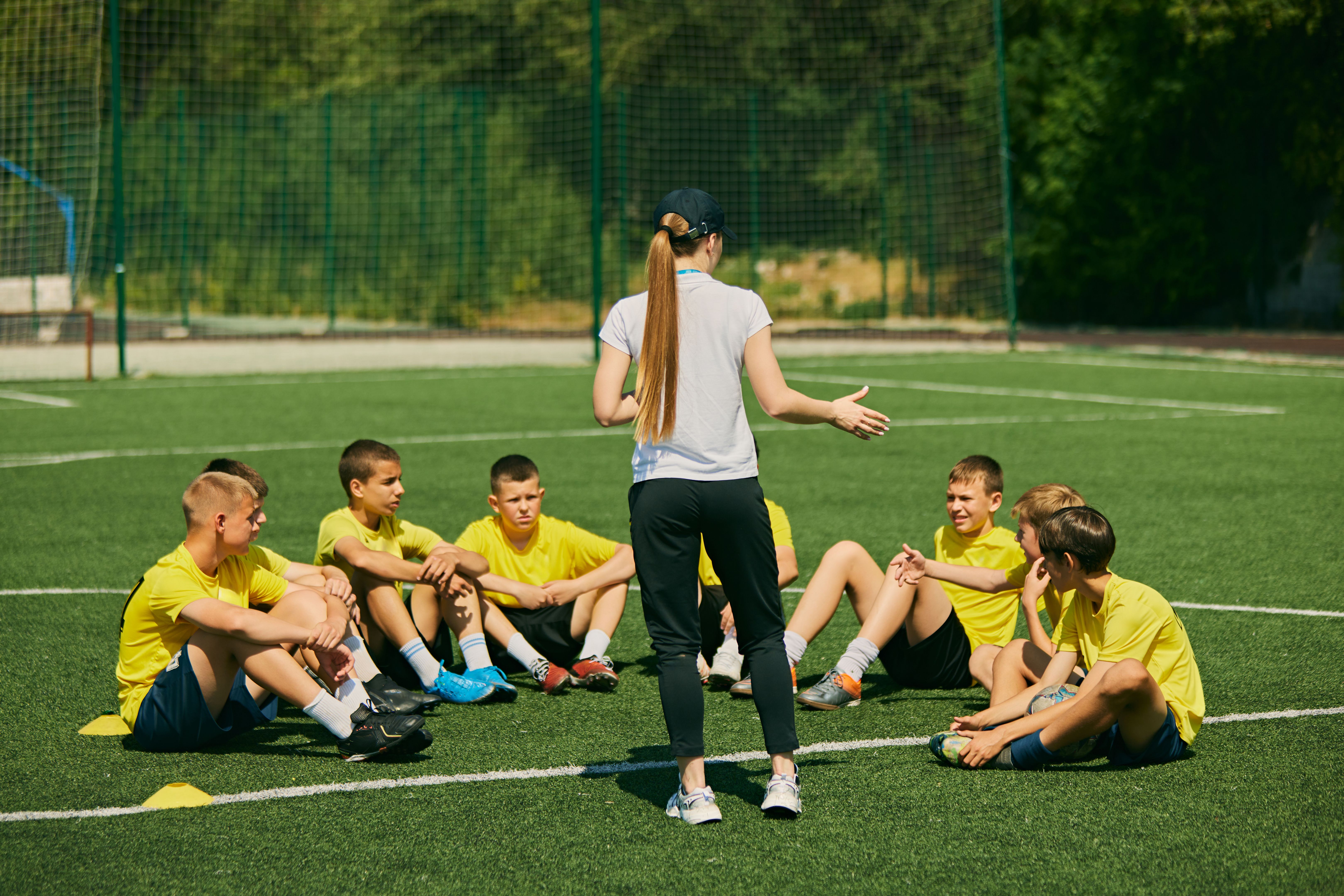
Building strong emotional skills helps players navigate the ups and downs of competitive sports. Encouraging open communication, empathy, and teamwork fosters a positive team environment. Coaches should promote a culture where players support each other and celebrate collective achievements.
Social development is equally important. Players should be encouraged to build relationships with teammates, coaches, and the community. This creates a network of support that extends beyond the soccer field.

Technological Integration
Technology can play a significant role in a holistic approach. Video analysis, wearable tech, and performance tracking apps offer insights into players' strengths and areas for improvement. These tools allow for personalized training plans that cater to individual needs.
Coaches can also use technology to foster communication and engagement among players, enhancing their learning experience and keeping them motivated.
The Role of Education
Education is key in developing well-rounded soccer players. Encouraging players to pursue academic interests alongside their athletic pursuits leads to a more balanced lifestyle. It also prepares them for life after soccer, ensuring they have the skills needed for diverse career paths.
Providing educational resources and support helps players maintain a healthy balance between sports and academics, ensuring they excel in both areas.
Conclusion
The holistic approach to developing soccer players emphasizes the importance of nurturing all aspects of a player's life. By focusing on physical, mental, emotional, and social development, coaches can create well-rounded individuals who excel on the field and in life. This comprehensive method not only enhances performance but also enriches players' overall experiences, preparing them for future challenges.